



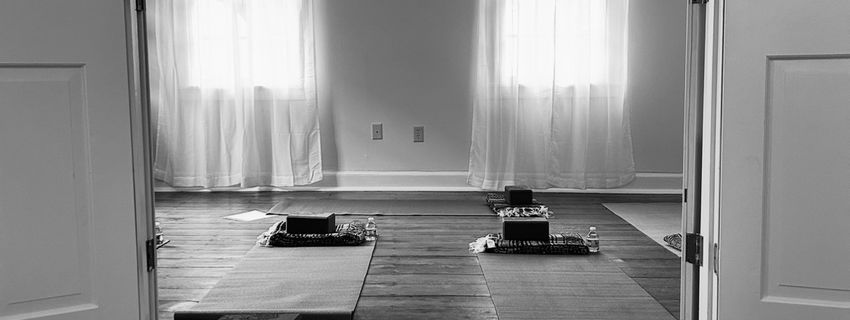
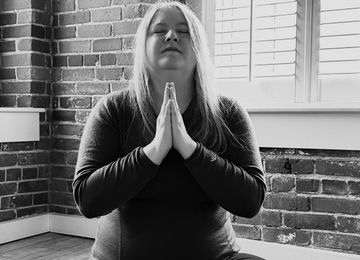
Hidden away at the bottom of King Street, there is a tiny yoga and mindfulness studio that just might be one of Burlington's best-kept secrets. On Wednesday nights at 6pm, a small, dedicated group of women has gathered religiously for the past year. "Mindfulness on the Mat: DBT & Yoga" is an intimate therapeutic yoga group that blends the ancient wisdom of Yin Yoga and the clinical concepts of Dialectical Behavior Therapy (DBT) into a neuroexperiential practice that honors the nervous system and fosters connection. And it is one of my most favorite hours of the week!
What is DBT?
Dialectical Behavior Therapy (DBT) is a type of psychotherapy designed to help people manage intense emotions, improve relationships and reduce harmful behaviors. DBT was originally developed in the late 1980's by Marsha Linehan to treat borderline personality disorder, but now it is used more generally to help people cope with a number of stressors. "Dialectical" means combining two opposites. In DBT this refers to accepting yourself as you are AND working to change or improve emotional and behavioral patterns. DBT traditionally teaches four core modules: Mindfulness, Distress Tolerance, Emotion Regulation and Interpersonal Effectiveness.
"Mindfulness on the Mat: DBT & Yoga" takes a step forward from traditional DBT instruction. This group is a DBT informed experiential practice that respects the clinical concepts of DBT while also leaning into the complexities of the nervous system. Each week we introduce lessons from a DBT modality including specific skills, while practicing those skills in the moment using Yin style yoga sequences that are low and slow to ground your nervous system and integrate on a subcortical level that is neuroexperiential.
A neuroexperiential practice is an approach in therapy that combines neuroscience and a direct experience (what you feel, sense and do in the moment). Instead of just talking about a problem, we focus on changing how the brain and body respond through lived experiences. The core idea is that the brain rewires itself through experience (neuroplasticity) changing patterns of anxiety, trauma and addictive habits through novel experiences, not insight alone. This means that we are both learning essential coping skills WHILE engaging your body and brain through movement and breath to CHANGE or update connections in your brain.
Why This Matters
Stress is designed to be a short-term adaptive response that fosters motivation and learning, inspires creativity and keeps us safe. When our body and brain perceive a threat, we activate our survival mode: fight, flight, freeze & fawn; and we release stress hormones such as cortisol and adrenaline. Our bodies need a physical release to metabolize these hormones and reset our nervous system. Unfortunately, modern stressors such as work demands, increased parenting expectations and an unstable political climate rarely allow for a physical resolution of the stress cycle.
We know that 80% of the communication in your nervous system is directed from your body to your brain. Our brains become louder the less we move. If stress isn't released through movement, deep rest and breathing mindfully, it will build up in the body as long-term anxiety. A prolonged state of hyper-arousal can cause anxiety, depression, sleep disturbances, brain fog, weakened emotional regulation and health concerns. Yin Yoga incorporates all of these elements: movement, deep rest and breathing mindfully in one practice.
While the neuroscience feeds my inner-nerd, the real magic is where the neuroexperiential interacts with connection. The micro-community that this group holds is rooted in vulnerability, accountability and connection. The yoga group fosters a dual attachment frame around clients relationally and neurobiologically. Being present in our bodies and in community is vulnerable, but vulnerability is essential to belonging and connection. And connection is at the root of healing. We cannot heal trauma in isolation. We heal in the safety of relationship.
Last week, we explored our intentions, the anchors that keep us engaged with our practice. For me, this is rooted in those same values: vulnerability, accountability and connection. My intention is to be a present and patient parent. I want to love my husband unconditionally, to sit with my own attachment disruptions without reactivity and to model a loving relationship for our daughters. I can share this in the safety of the group and notice the responsibility rather than the shame that can occur in isolation. I am not perfect, but each time I come to the mat and use my skills to pause before I react, I am changing my neurobiology. And I am interrupting the intergenerational inheritance of trauma.
Does this resonate with you? Mindfulness on the Mat: DBT & Yoga is Wednesday nights at 6pm in person or via telehealth. The invitation is open. If you are ready to experience the change, our group welcomes you.